


.png)
 Chat
Chat Order Status
 Cart
Cart
Bath Benches And Stools
Bath Lifts
Bathing Systems
Bathtub Safety Rails
Grab Bars
Hand Held Shower Sprays
Raised Toilet Seats
Shower Bathtub Mats
Toilet Safety
Transfer Benches
Accessories
.png)
Bariatric Beds
Bed Rails
Homecare Beds
Long Term Care Beds
Accessories
Bariatric
Drop Arm
Speciality
Standard
Accessories
Bathing
Car Seat
Seating & Positioning
Toileting
Walking Aids
Wheeled Mobility
Accessories
Canes
Crutches
Power
Rollators
Walkers
Wheelchairs
Accessories
Solve a problem, find products and parts, read expert tips and guides, and more
Find answers to frequently asked questions
Download our Declarations of Conformity as PDF files
Read our blogs for real-stories, caregiving advice, and health tips
Read recent press releases about Drive DeVilbiss Healthcare

Send us an email, chat with us, or call our business support line.

If you have a great and innovative idea and are looking for a sold business partner, we would love to talk with you.
Drive DeVilbiss Healthcare services the needs of the Home Healthcare market
Drive DeVilbiss Healthcare services the needs of Long Term Care Professionals
Drive DeVilbiss Healthcare services the needs of Retailers
Read recent press releases about Drive DeVilbiss Healthcare
Read our blogs for real-stories, caregiving advice, and health tips
Enhancing Quality of life is our driving force. Read our story and mission.
Read about our forward-thinking leadership team.
There's never been a better time to join team Drive DeVilbiss Healthcare

Products

Support & Resources
Who We Serve
Who We Are
 Back
Back
Bath Safety

Beds
Commodes
Inspired by Drive
Mobility
Patient Room
Personal Care
Respiratory
Sleep Therapy
Therapeutic Support Surfaces
 New Arrivals
.png) Clearance Corner
Back
Clearance Corner
Back
Drive Support
FAQs
Declaration of Conformity
Articles & Blogs
Press Releases
Contact Us
Submit a Product Idea
Back
Locate Providers
Chat
Search

Explore Our Product Categories
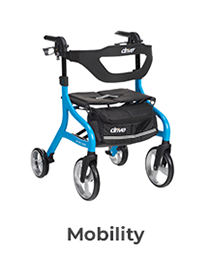
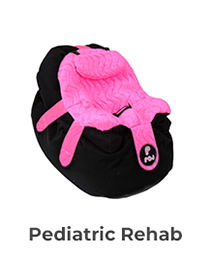
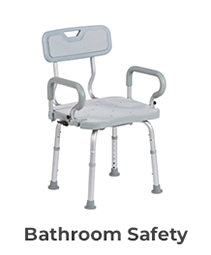
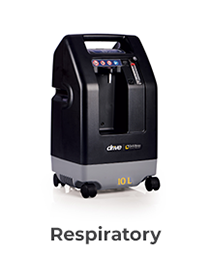
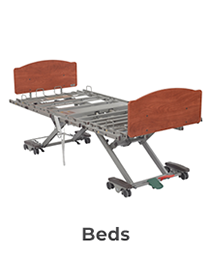
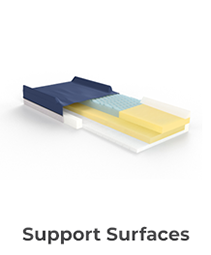
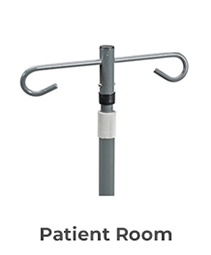
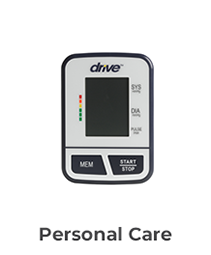
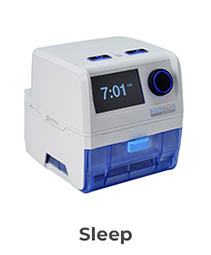
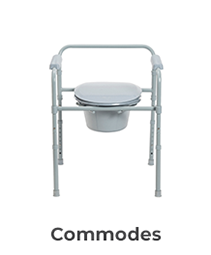
-Nov-13-2023-09-16-19-4975-AM.png)
-Nov-13-2023-09-16-26-5131-AM.png)
Featured Product
Nitro® Sprint™ Rollator
The sleek Nitro® Sprint™ Rollator is designed to provide comfort, convenience, and control at every turn.
Shop now ⟶
.png)
.png "Frame 1456 (6)")
New Products Corner
Visit the latest product innovations from Drive DeVilbiss Healthcare.
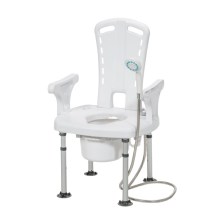
PreserveTech™ Aquachair Bathing System with Bidet
-3.png)
Nitro® Sprint™ Rollator
-2.png)
Hurrycane® Freedom Edition™
-3.png)
Silver Sport Recliner with Vinyl Upholstery
-1.png)
Nitro® Glide Knee Walker
Explore More Products Now
Industry-Specific Solutions
.png)
.png)
.png)
.png)
.png)
Find Support & Educational Resources

Learn About How to Use and Troubleshoot Our Products
-Nov-14-2023-09-28-24-7332-AM.png)
Over the past decade, we’ve watched Drive grow from an HME provider to THE HME provider. It all starts with the people, and theirs are simply top-notch.
-Jason Drucker, SDVP Sales & Marketing Fabrication Enterprises, Elmsford, NY.
-4.png)